{{ current + 1 }}/{{ total }}

Railroads

Railroads played a key role in Russia and, in fact, the whole world in the early 20th century. Russia had a well-developed railroad network, concentrated mostly in the European part of Russia. (Over 85% of the railroads were west of the Urals.)

As a result of World War I, many railroads were damaged or completely destroyed. By November 1917, only half of the railroads were functional. One-third of the locomotives were inoperable.

Railroad workers constituted one of the biggest professional groups in Russia (almost 1.5 million people). They were actively involved in the revolution from the very beginning and, in fact, played a leading role in many events. For example, it was due to their efforts that the Tsar’s train failed to arrive in Petrograd from Mogilyov in February 1917.
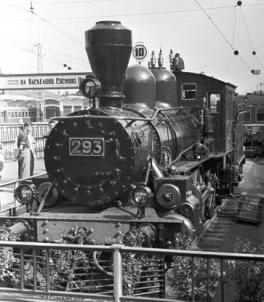
 

Steam locomotive No. 293, on which VI Lenin went to Finland to escape the persecution of the interim government. In October 1917 he secretly returned to Russia. Sputnik
{{ current + 1 }}/{{ total }}

Controlling a strategic industry, railroad workers could influence all major events in Russia.

The All-Russia Executive Committee of the Railroad Union (Vikzhel) was the most influential organization in the industry. It was controlled by socialist revolutionaries. The Committee led a general railroad strike in September, forcing the Provisional Government to make serious concessions.

The Committee continued its activities for some time even after the October coup and opposed the Bolshevik regime, until it was disbanded in February 1918 and replaced with another organization (Vikzhedor).