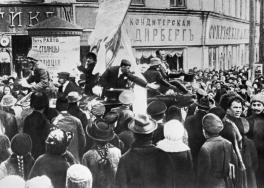
Cocaine in 1917
The role that cocaine played in the events of 1917 is subject to much speculation often focusing on the Baltic Fleet sailors, who were allegedly cocaine addicts. Some theories suggest that it was due to excessive drug use that the sailors were so ready to support the troublemakers – the Bolsheviks.
Like many other urban legends, the story about cocaine is partially based on facts. The only question is how to interpret them. Admittedly, taking cocaine was common practice in certain parts of Russian society, especially in large cities. From the late 19th century cocaine was sold at pharmacies and considered a type of medicine – a local anesthetic and a stimulant. In the 1910s cocaine gained popularity as a recreational drug among the bohemians, but it was also popular among the youth in the cities, particularly college students.